
|
Plants employ diverse anti-herbivore defenses, forming syndromes of multiple traits. These include direct defenses like toxic compounds and trichomes, and indirect defenses like volatile organic compounds that can attract predators of herbivores. Syndromes provide complementary defenses against various herbivores through trade-offs among plant traits such as nutrient content, chemical, and physical defenses.
0 Comments
What are the patterns of specialization in insect herbivores associated with diverse tree genera?2/9/2024 The majority of multi-cellular terrestrial life is found in tropical forests, and is either invertebrate or a plant: for decades ecologists have sought to understand why. In an age of biodiversity loss this endeavour has become critical to understanding ecosystem functioning and resilience. As a part of a team including Simon Segar and our colleagues working in Papua New Guinea, we studied three feeding guilds of caterpillars to understand the drivers of their diet breadth across four diverse tropical plant genera.
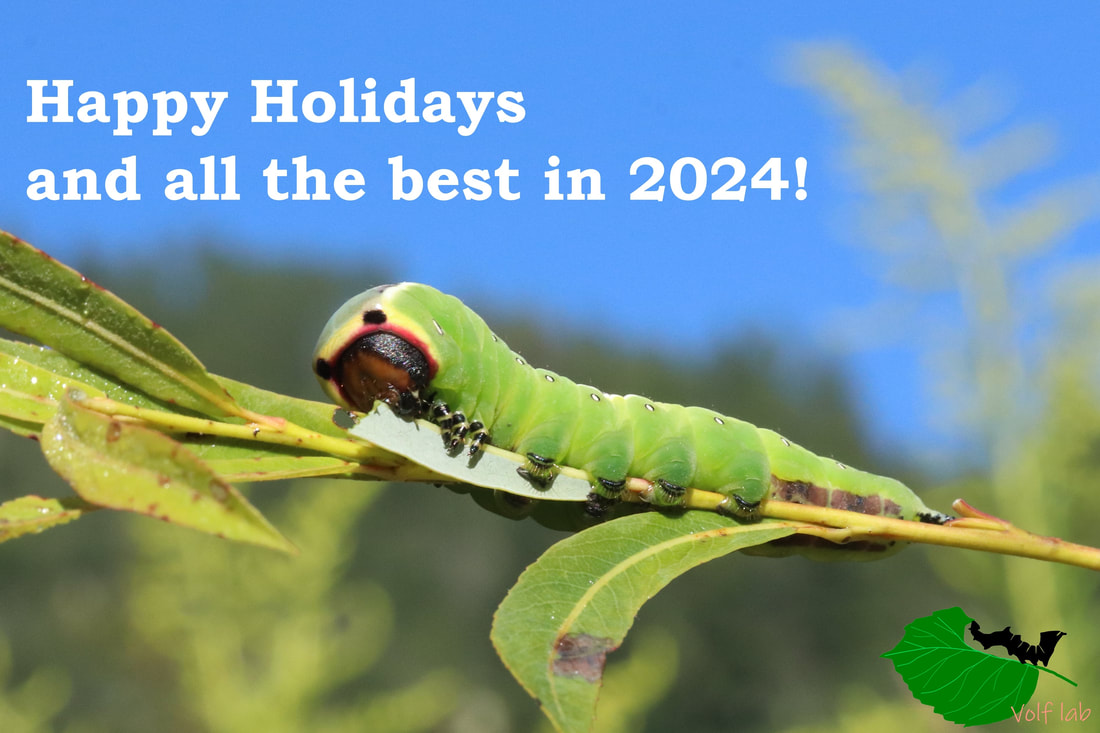 Dear Friends and Colleagues,
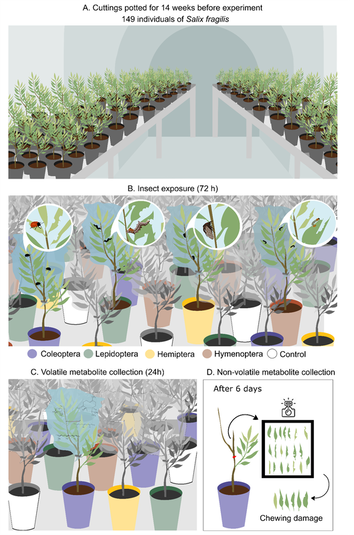
Merry Christmas and happiness, good health, love and many publications in the New Year 2024! from Laboratory of Evolutionary Ecology Priscila received an award at the VII Congress of the Latin American Association of Chemical Ecology12/22/2023 Our PhD student Priscila Mezzomo received an award for her oral presentation at the VII Congress of the Latin American Association of Chemical Ecology, held in Buenos Aires - Argentina in early December 2023. In her talk, she shows how volatile and non-volatile metabolites can have contrasting roles as plant defensive strategies. Specifically, Priscila's results suggest great specificity in volatile plant responses, as induced upon feeding by different insect herbivores.
In the past month, we kickstarted the first year of field work within a project that aims to explore adaptive hybridization in willows. 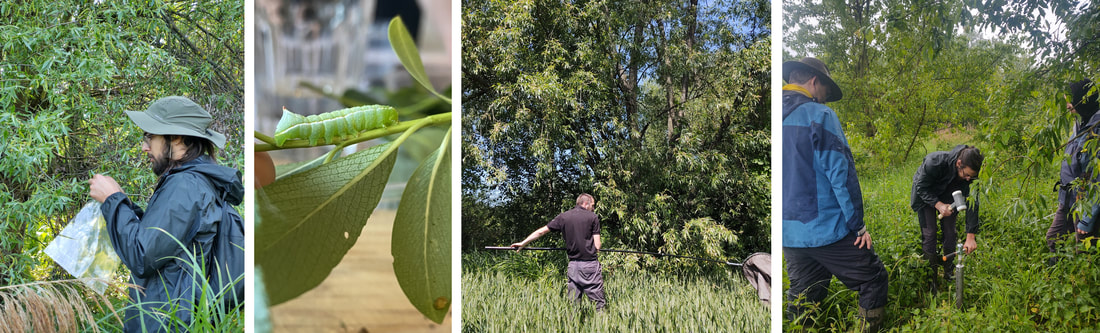
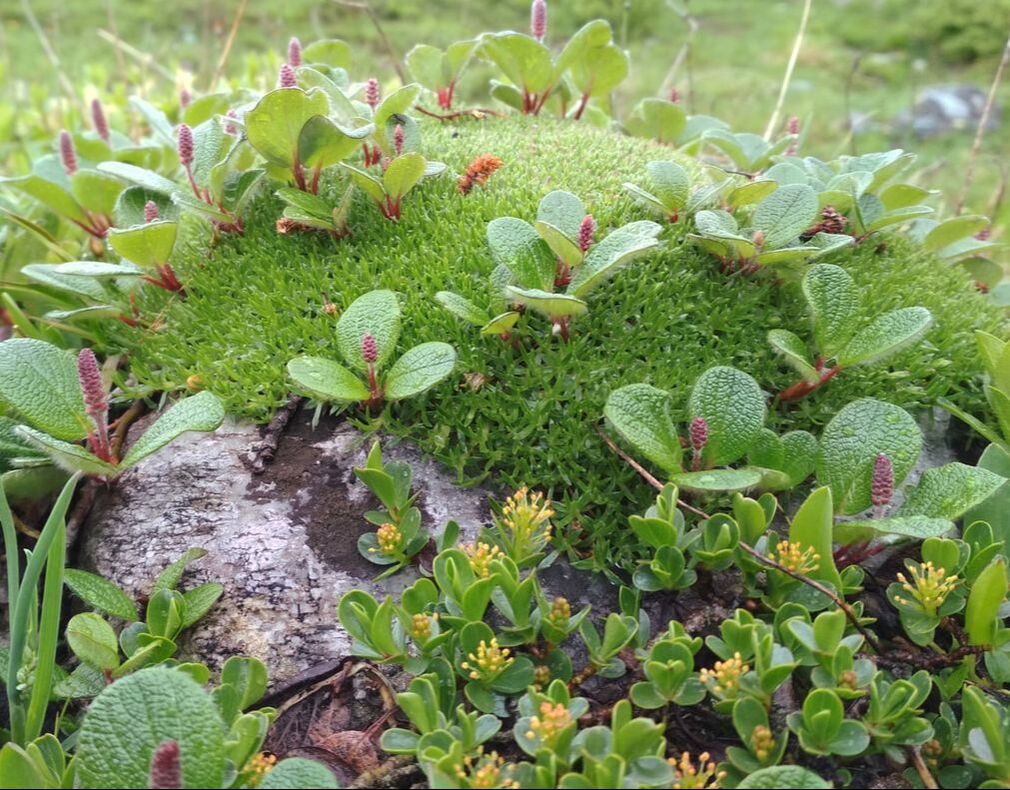
Sofian has joined our team to study ecology of hybrid willows. He is going to explore changes in their chemistry and biotic interactions along ecological gradients to explore if hybrids extend niches of their parental species.
Priscila Mezzomo, who is a PhD student in our team, won the prize for best student talk at a PhD student conference organized by the Department of Zoology, University of South Bohemia.
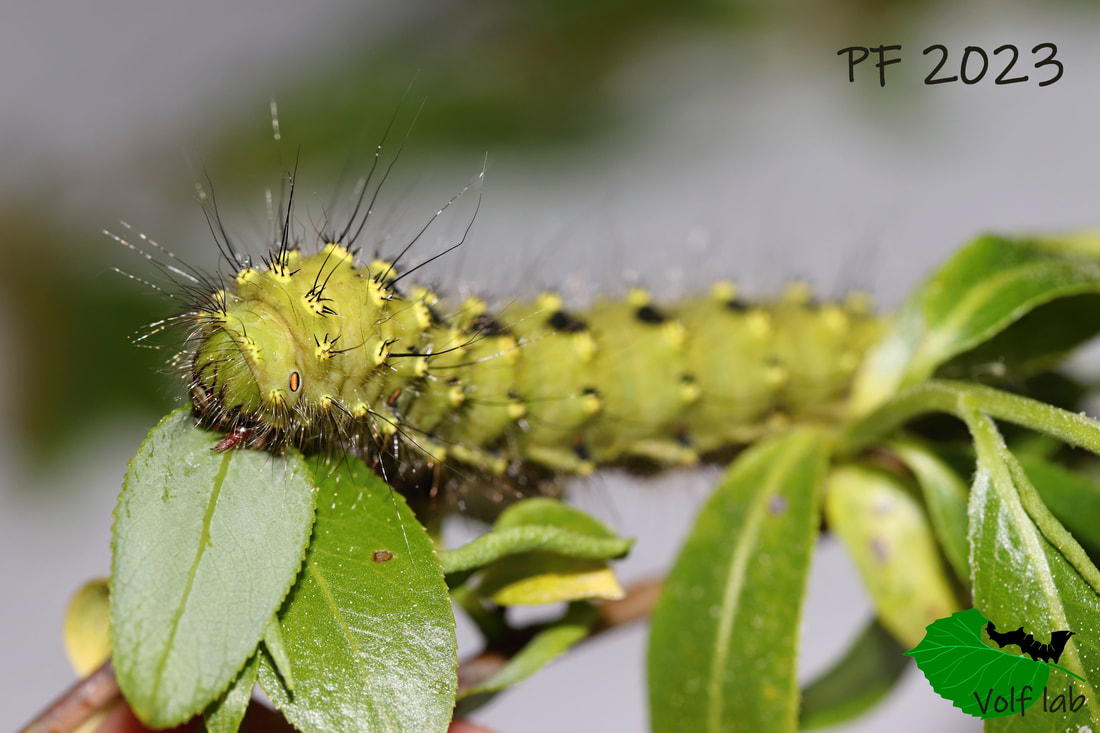 Dear Friends and Colleagues, Merry Christmas and happiness, good health, love and many publications in the New Year 2023! from Laboratory of Evolutionary Ecology |
New PublicationsMarinček P., Léveillé-Bourret É. , Heiduk F., Leong J.V , Bailleul S.M., Volf M., . Wagner N.D. (2024) Challenge accepted: Evolutionary lineages versus taxonomic classification of North American shrub willows (Salix). the American Journal of Botany, https://doi.org/10.1002/ajb2.16361
Archives
June 2024
|
 RSS Feed